
Please Choose Your Language
Views: 0 Author: Site Editor Publish Time: 2025-08-28 Origin: Site


Imagine creating intricate designs with unmatched precision and efficiency. This is the promise of a 5-axis CNC machining center. Unlike traditional 3-axis machines, 5-axis CNC machining offers enhanced capabilities, revolutionizing the manufacturing landscape. In this post, you'll learn about the evolution from 3-axis to 5-axis CNC machining and why this advanced technology is the future of precision engineering.
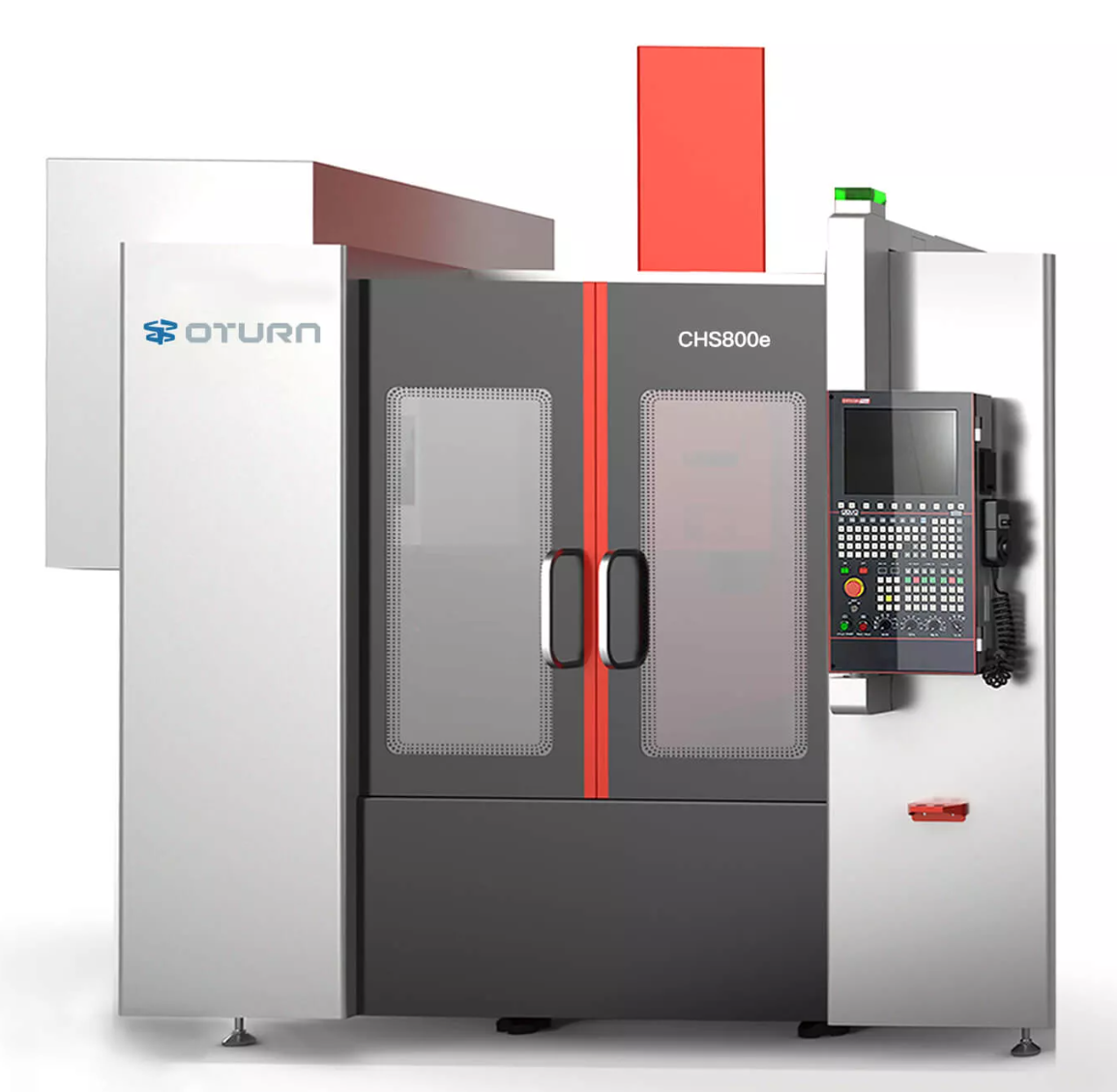
5-axis CNC machining centers bring remarkable benefits that set them apart from traditional 3-axis machines. By moving turning tools or workpieces along five different axes, these machines unlock new levels of precision, efficiency, and design flexibility. Let’s explore the core advantages that make 5-axis machining centers essential for advanced manufacturing.
A 5 axis CNC machining center can achieve higher precision by allowing the turning tool to approach the workpiece from multiple angles. This flexibility reduces the need for repositioning the part, minimizing errors caused by multiple setups. The result is improved feature-to-feature accuracy and tighter tolerances, which are crucial for industries like aerospace and medical device manufacturing. Additionally, shorter turning tools enabled by 5th axis machining decrease tool vibration, further enhancing accuracy and surface quality.
One of the standout benefits of 5 axis machining is its ability to create intricate and complex part geometries that 3-axis machines cannot handle efficiently. The additional rotational axes (A and B) allow the tool to access undercuts, deep cavities, and curved surfaces in a single setup. Whether using a 5 axis vertical machining center, a 5 axis horizontal machining center, or a 5 axis gantry CNC system, manufacturers can produce complex designs with fewer fixtures and minimal manual intervention.
The multi-axis movement keeps the turning tool tangential to the surface, which is vital for achieving superior surface finishes. By maintaining optimal tool orientation, 5-axis machining reduces the need for secondary finishing processes. This advantage is especially important when working with materials like titanium or hardened steel, common in 5 axis mill turn applications. The smoother finishes also contribute to better part performance and aesthetics.
5-axis CNC machining centers significantly reduce cycle times. Since the machine can perform multiple operations without repositioning the workpiece, the overall production speed increases. The ability to remove more material per pass combined with fewer setups means manufacturers can meet tight deadlines and increase throughput. This efficiency makes 5 axis machining centers a smart investment for high-volume production runs.
With traditional 3-axis machines, complex parts often require multiple setups and manual reorientation, increasing labor and the risk of errors. In contrast, a 5 axis CNC machining center completes most operations in a single setup. This consolidation reduces setup time, lowers labor costs, and minimizes the chances of misalignment or defects. It also simplifies fixture design, as the part can be held securely while the machine accesses all necessary surfaces.
Tip: When selecting a 5 axis machining center, consider your production needs carefully; machines like a 5 axis vertical machining center excel in precision work, while 5 axis gantry CNC systems are ideal for large, complex parts, ensuring you maximize the benefits of 5-axis machining for your specific applications.
5-axis CNC machining centers have revolutionized manufacturing across multiple industries. Their ability to produce complex, precise parts quickly and efficiently makes them indispensable in sectors where quality and performance are critical. Let’s explore how key industries benefit from 5-axis machining technology.
The aerospace sector demands parts with extremely tight tolerances and complex geometries, such as turbine blades, valve components, and structural airframe parts. A 5 axis CNC machining center enables manufacturers to produce these intricate components in fewer setups, maintaining high precision throughout. The 5 axis vertical machining center and 5 axis horizontal machining center configurations both serve aerospace needs, depending on part size and complexity. Additionally, 5th axis machining helps achieve superior surface finishes essential for aerodynamic efficiency and component longevity.
Automotive manufacturing benefits greatly from the speed and flexibility of 5-axis machining. The 5 axis mill turn machines are especially valuable for producing engine components, transmission parts, and custom molds. These machines reduce cycle times and setup requirements, allowing for high-volume production runs without sacrificing quality. The ability to handle complex shapes with fewer fixtures also supports rapid prototyping and design iteration, which are vital in the competitive automotive market.
Medical components require exceptional precision and biocompatible surface finishes, often on very small, complex parts. The 5 axis gantry CNC systems excel in producing surgical instruments, implants, and prosthetics with intricate geometries. The multi-axis capability ensures that these parts meet strict regulatory standards while minimizing manual handling and potential contamination. Moreover, 5 axis machining centers reduce the need for secondary finishing processes, speeding up production and lowering costs.
The energy industry, including oil, gas, and renewable energy, relies on durable, complex parts made from tough materials like hardened steel and exotic alloys. 5 axis CNC machining centers can handle these challenging materials with precision. Components such as compressor blades, wind turbine parts, and valves benefit from the enhanced tool access and accuracy that 5th axis machining provides. This capability leads to improved performance and reliability in harsh operating environments.
Tip: When selecting a 5 axis CNC machining center for your industry, consider the specific machine type—such as a 5 axis vertical machining center for smaller, precision parts or a 5 axis gantry CNC for large-scale components—to optimize production efficiency and part quality.
A 5 axis CNC machining center operates across five distinct axes, which provide remarkable flexibility in manufacturing complex parts. The first three axes—X, Y, and Z—move linearly: left to right (X), front to back (Y), and up and down (Z). The additional two axes, A and B, rotate around the X and Y axes, respectively. This rotation allows the turning tool or the workpiece to tilt and swivel, enabling access to surfaces from multiple angles.
For example, in a 5 axis vertical machining center, the spindle may tilt on the A-axis while the table rotates on the B-axis. This multi-directional movement is what differentiates 5th axis machining from traditional 3-axis machining. It allows machining of intricate features such as undercuts and deep cavities without repositioning the part, reducing errors and setup times.
Setting up a 5 axis machining center requires careful planning and precision. Unlike 3-axis machines, these centers need to account for the rotational axes when positioning the workpiece and programming tool paths. The setup often involves:
Securing the part with fixtures that accommodate multi-axis movement.
Calibrating the machine’s zero points across all five axes.
Ensuring the tool lengths and orientations are correctly configured to avoid collisions.
Different types of 5 axis CNC machining centers, such as 5 axis horizontal machining centers or 5 axis gantry CNC systems, may have varying setups depending on their size and application. For instance, a 5 axis gantry CNC machine is ideal for large parts, requiring robust fixtures and precise alignment to maintain accuracy throughout the machining process.
Programming a 5 axis CNC machining center is more complex than programming a 3-axis machine. It requires advanced CAM (Computer-Aided Manufacturing) software capable of generating tool paths that coordinate simultaneous movement along all five axes. This software translates CAD (Computer-Aided Design) models into precise instructions for the machine.
Key programming considerations include:
Defining the tool orientation to maintain tangential contact with curved surfaces.
Optimizing tool paths to minimize air turning and reduce cycle times.
Simulating the machining process to detect potential collisions or errors.
The use of sophisticated software ensures the 5 axis mill turn or other 5 axis machines operate efficiently and produce parts with high precision and excellent surface finishes.
Tip: Invest in comprehensive training for your programming team to fully leverage the capabilities of your 5 axis CNC machining center and maximize production efficiency.
Investing in a 5 axis CNC machining center offers significant economic advantages that can transform manufacturing operations. Beyond technical improvements, these machines deliver cost savings, efficiency gains, and a strong return on investment. Let’s break down the key economic benefits of adopting 5th axis machining technology.
5-axis machining centers streamline production by reducing the number of setups required to complete complex parts. With the ability to machine multiple faces in a single setup, manufacturers save valuable time and reduce the expenses associated with repositioning and re-fixturing. This efficiency translates to lower operational costs per part.
Additionally, the enhanced precision of 5 axis machining minimizes material waste and reduces the likelihood of costly rework or scrap. By using shorter turning tools and maintaining optimal tool orientation, these machines extend tool life, further turning tooling costs. Whether utilizing a 5 axis vertical machining center for detailed components or a 5 axis gantry CNC for large parts, manufacturers can expect improved cost-efficiency across various applications.
Labor represents a significant portion of manufacturing expenses. The advanced capabilities of a 5 axis machining center reduce manual intervention by automating complex tool movements and minimizing setups. Operators spend less time repositioning parts or changing fixtures, allowing them to focus on monitoring and optimizing production.
Moreover, 5th axis machining decreases the risk of human error associated with multiple setups, reducing the need for quality inspections and corrections. This streamlined workflow not only cuts labor hours but also enables shops to handle higher production volumes without proportional increases in staffing. The result is a more productive workforce and lower labor costs.
While the initial investment for a 5 axis CNC machining center can be higher than traditional 3-axis machines, the long-term financial benefits are compelling. Faster production times, fewer setups, reduced labor costs, and lower scrap rates combine to shorten the payback period.
Manufacturers often see a measurable return on investment through increased throughput and improved part quality. The versatility of 5 axis mill turn and gantry CNC machines allows shops to expand their service offerings and attract more complex projects, boosting revenue potential. In competitive markets, the ability to deliver high-precision parts quickly can be a key differentiator that drives business growth.
Tip: To maximize economic benefits, assess your production volume and part complexity before selecting a 5 axis machining center type, ensuring alignment with your operational goals and budget constraints.
While 5-axis CNC machining centers offer numerous benefits, they also come with challenges that manufacturers must carefully consider before investing. Understanding these challenges helps businesses make informed decisions and optimize their use of 5th axis machining technology.
One of the primary challenges of adopting a 5 axis CNC machining center is the higher upfront cost compared to traditional 3-axis machines. The advanced mechanics, additional rotary axes, and sophisticated control systems contribute to a significant initial investment. Besides the machine itself, expenses may include specialized tooling, fixtures, and software licenses for advanced CAM programming.
Additionally, different types of 5 axis machining centers—such as a 5 axis vertical machining center, 5 axis horizontal machining center, or 5 axis gantry CNC—vary in price depending on their size, capabilities, and precision levels. Manufacturers must evaluate their production needs and budget constraints to select the most cost-effective option that aligns with their operational goals.
Operating a 5 axis CNC machining center requires a higher level of technical expertise than 3-axis machines. Programming simultaneous five-axis toolpaths is complex and demands proficiency in advanced CAM software. Moreover, machine operators and programmers need specialized training to handle machine setup, collision avoidance, and toolpath optimization effectively.
Without adequate training, shops risk inefficient machine use, increased errors, and potential damage to the equipment or workpieces. Investing in continuous education and hands-on experience is crucial to fully leverage the capabilities of a 5 axis mill turn or other 5-axis machines.
The complexity of 5-axis CNC machines also means maintenance is more involved. The additional axes and moving parts require regular inspection, calibration, and servicing to maintain accuracy and prevent downtime. Maintenance costs can be higher due to specialized components and the need for expert technicians familiar with 5th axis machining centers.
Proper upkeep ensures consistent machine performance and extends the lifespan of the equipment. Manufacturers should establish comprehensive maintenance schedules and consider service contracts with machine suppliers to minimize unexpected breakdowns.
Tip: Plan for comprehensive operator training and a robust maintenance program to maximize uptime and ensure your 5 axis CNC machining center delivers consistent, high-quality results.
5-axis CNC machining offers enhanced precision, complex geometries, improved finishes, faster production, and fewer setups. This technology is crucial for industries like aerospace, automotive, medical, and energy. As manufacturing evolves, the demand for advanced machining solutions will grow, making 5-axis CNC machining essential. Oturn Machinery provides turning-edge 5-axis CNC machining centers, ensuring exceptional value through superior performance and efficiency. Their products are designed to meet diverse manufacturing needs, driving innovation and quality in production processes.
A: A 5-axis CNC machining center offers higher precision, improved production speed, fewer setups, the ability to create complex geometries, enhanced surface finishes, and better drilling capabilities, making it ideal for industries like aerospace, automotive, and medical manufacturing.
A: The multi-directional movement of a 5-axis machining center allows for efficient material removal, reducing cycle times and lead times. It enables machining complex parts in a single setup, boosting overall production speed.
A: Although initially more expensive, a 5-axis CNC machining center reduces operational costs by minimizing setups, lowering labor expenses, and decreasing errors, resulting in better ROI over time.
A: Yes, a 5-axis machining center can produce complex geometries like intricate contours, undercuts, and angled holes, thanks to its additional rotational axes, offering greater design flexibility.
A: Industries such as aerospace, automotive, medical equipment manufacturing, and energy benefit significantly from 5-axis CNC machining due to its precision, speed, and ability to handle complex geometries.


